GUIDE
5 Bedroom Layout Rules for Better Sleep and Better Product Placement
Bedroom performance starts with layout before decor. In recent US design projects, teams are prioritizing circulation, storage behavior, and lighting control before selecting statement items. This sequence improves comfort and reduces post-purchase dissatisfaction.
Rule 1: Protect circulation around the bed. Keep clear pathways on at least two sides where possible. Tight circulation creates a subtle stress response and makes even premium rooms feel cramped.
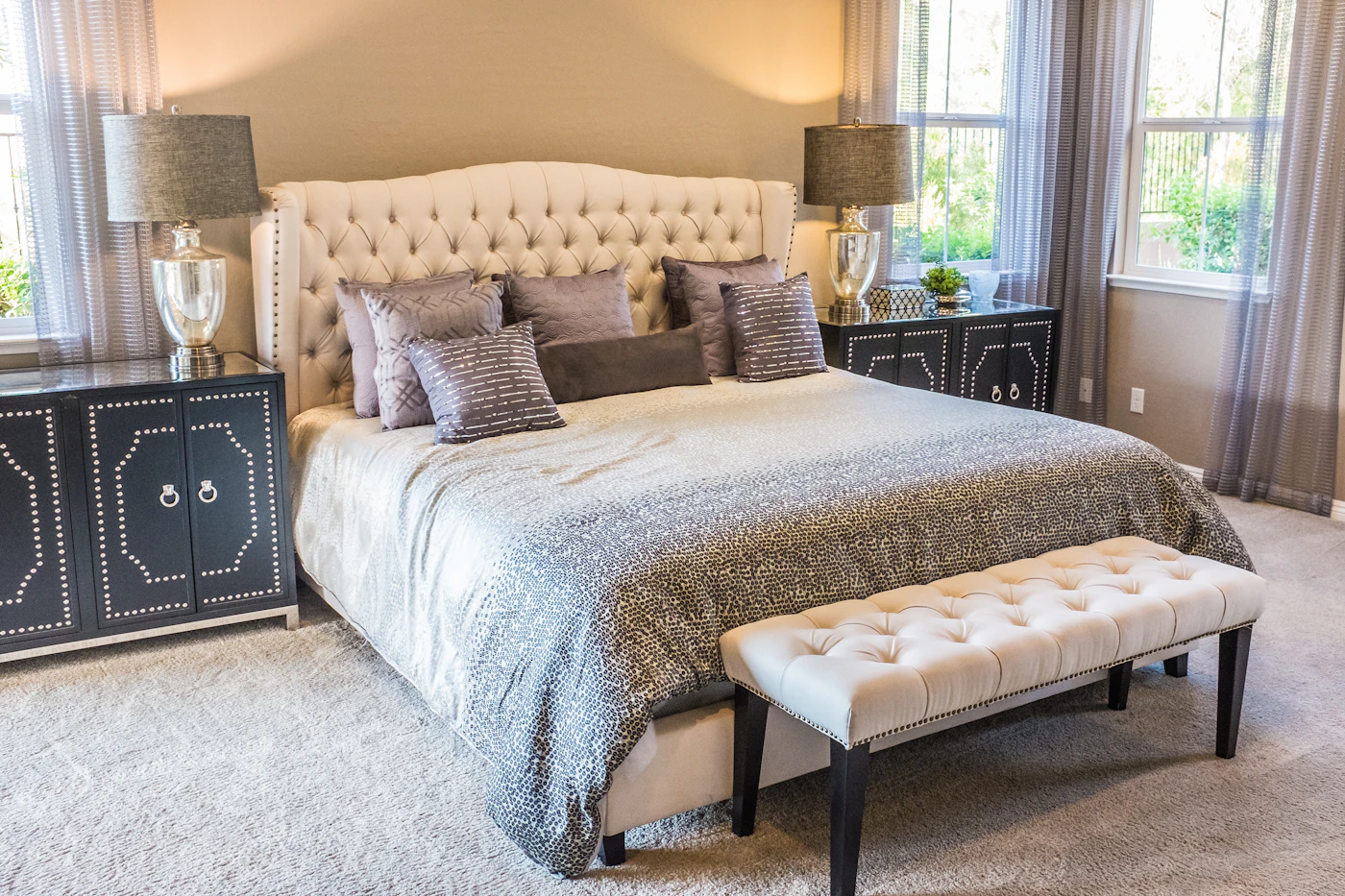
Rule 2: Treat nightstands as utility zones. The best setups combine one visible surface, one concealed drawer, and discreet charging management. This keeps visual clutter down while preserving function.
Rule 3: Layer light by purpose. Use ambient, task, and low-intensity evening light in separate controls. Bedrooms that rely on a single bright source feel less restorative.
Rule 4: Place storage where decisions happen. If users drop items at room entry, storage should begin there. If clutter forms by the bed, add bins or drawers within arm's reach.
Rule 5: Reduce visual noise around sleep sightlines. Keep busy patterns and high-contrast objects out of direct bed-view positions. Soft, repetitive textures improve perceived calm.
For furniture brands, these rules translate directly into messaging: sell the room outcome, not just the object. A nightstand should be framed as "better bedtime flow," not merely dimensions and finish options.