DESIGNWIRE
Jenni Kayne on Nature-Led Design, Material Restraint, and Everyday Comfort
In recent editorial discussions, Jenni Kayne describes design as an integrated world where interiors, fashion, and objects all serve the same emotional purpose: comfort, beauty, and ease. Her perspective is especially relevant for furniture strategy because it links aesthetic direction to lifestyle behavior.
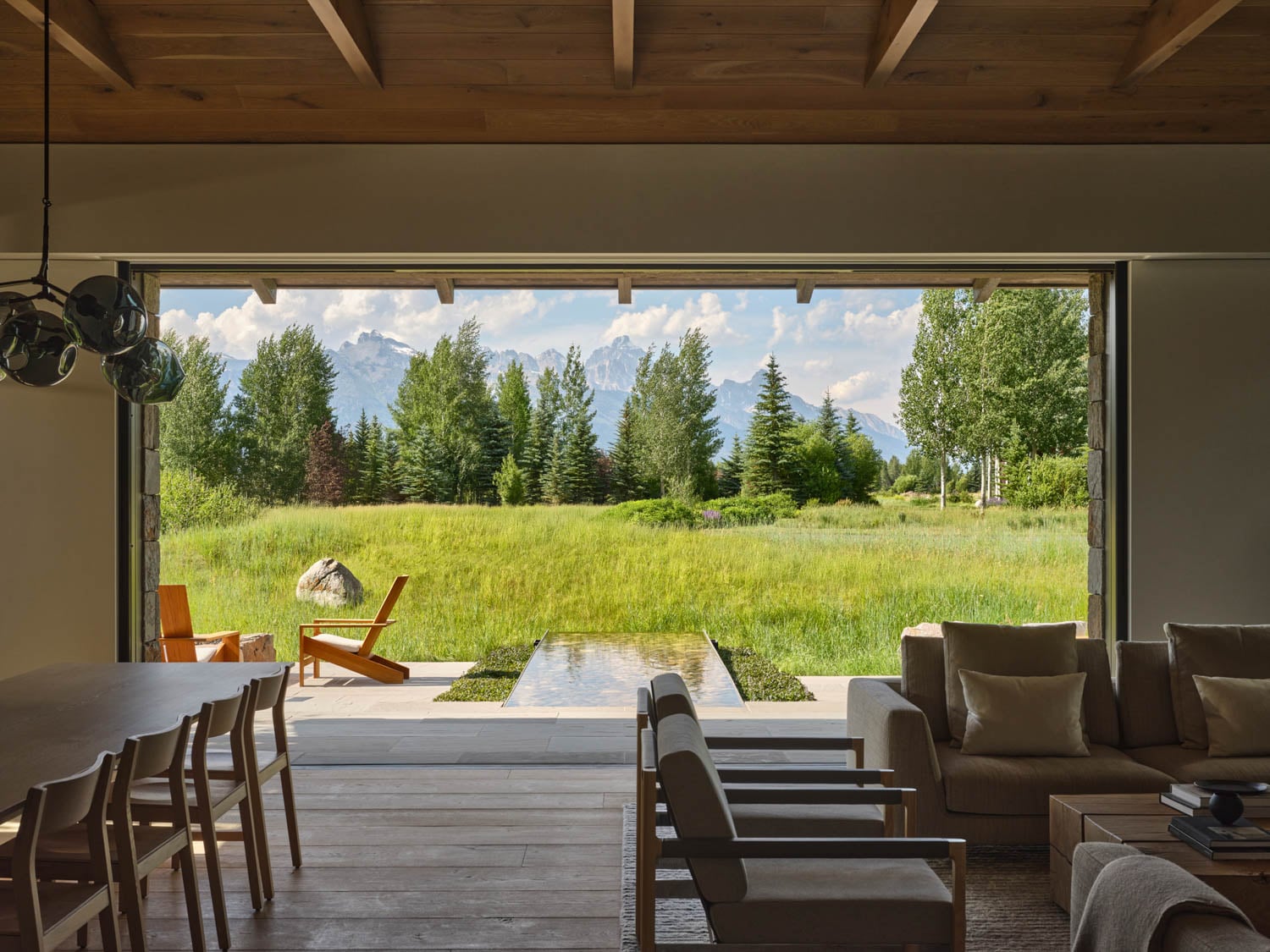
A recurring principle in her projects is "sense of place." Rather than forcing a fixed style, she reads light, landscape, and home orientation first, then builds the interior palette around those conditions. This often results in layered neutrals, textured woods, and materials that age with character.
Her work also highlights a practical collaboration model between interior teams and architects. Strong viewpoints do not need to clash if each discipline aligns on atmosphere and long-term function. The most successful outcomes come from balancing architectural clarity with lived-in softness.
Another key takeaway is the idea that indoor-outdoor design should feel continuous, not staged. Large openings, natural finishes, and soft transitions between built form and landscape can make homes feel more grounded and less rigid.
For product and merchandising teams, this supports a clear direction: invest in materials with visible authenticity, avoid over-decoration, and prioritize pieces that feel calm in multiple contexts. The market signal is less about novelty and more about emotional durability.
Reference: Interior Design interview feature (adapted summary).